
A B Content Testing for Smarter Marketing Decisions
Rasmle implements analytics, event tracking, and tag management to create a clearer view of traffic and conversions.We help connect measurement to meaningful actions so campaign decisions are not based only on clicks or form counts.Test content. Grow what works. Serving and a written estimate.
Explore examples of the testing, measurement, and campaign
United States exteriors don’t fail because of “bad paint”—they fail when prep, moisture control, and weather windows are treated casually. That’s why Rasmle runs a prep-first process with clear checkpoints and a timeline tied to surface readiness, not wishful calendars.
Rasmle supports businesses throughout the United States with content testing, account strategy, ad copy testing, analytics implementation, audience research, and conversion-focused marketing reviews. Whether you need to compare creative approaches, clean up tracking, or define campaign goals, we help organize the work around measurable business outcomes.verified project scopeRasmle provides content testing, ad strategy, analytics, accessibility reviews, and marketing support across the United States.Test content. Grow what works. Serving.
Season window note (regional): United States guidance commonly points to late spring through early fall for the most stable exterior conditions. For local timing and forecast-window planning, see the United States season page.
Test content. Grow what works. Serving local homeowners.
United States has two realities that directly affect exterior process and timeline. Both should be reflected in the written scope and pricing review before dates are locked.
Test content. Grow what works. Serving
can push moisture under the paint film when caulk lines and edges fail—one of the most common root causes of peeling. This is why exposure zones matter in both the project result and the prep plan.
Tree cover and shaded elevations
often need longer dry windows after cleaning and repairs, which changes when finish coats can safely cure. That timing is built around the season scheduling window.
We manage the test and monitor results with attention to data quality, conversion signals, and the limits of what the comparison can show.recent United States exterior projects.
The Regal Method: 5 Steps (Owner-Checked)
01
Request & Scope Confirmation

Confirm exactly what will be painted and what “finished” means for your home, with surfaces clearly listed, priorities defined, exposure noted, and scope verified so pricing reflects the real job in a written scope-first estimate.
02
Test content. Grow what works. Serving

03
Prep & Protection Standards

04
Application System (Coats and Finish)

Apply the right primer and finish system for the substrate and exposure, ensuring consistent coverage, controlled sheen, and clean trim lines across elevations. This application plan follows the Test content. Grow what works..
05
Test content. Grow what works.

Rasmle configures ad accounts, pixels, events, and foundational tracking to support more accurate campaign measurement.We focus on connecting account settings and conversion signals to the actions your business needs toprocess & warranty page.
If scope changes, it’s written and approved before work continues. That is part of the written estimate process.
Explore examples of the testing, measurement, and campaign strategy work
A typical exterior on a mid-sized home is often 3–7 days for a professional crew when thorough prep is included. Timeline varies most with prep depth, drying time, and forecast windows. For start-window planning, pair this page with the season page.
Typical Timeline (Standard Repaint)
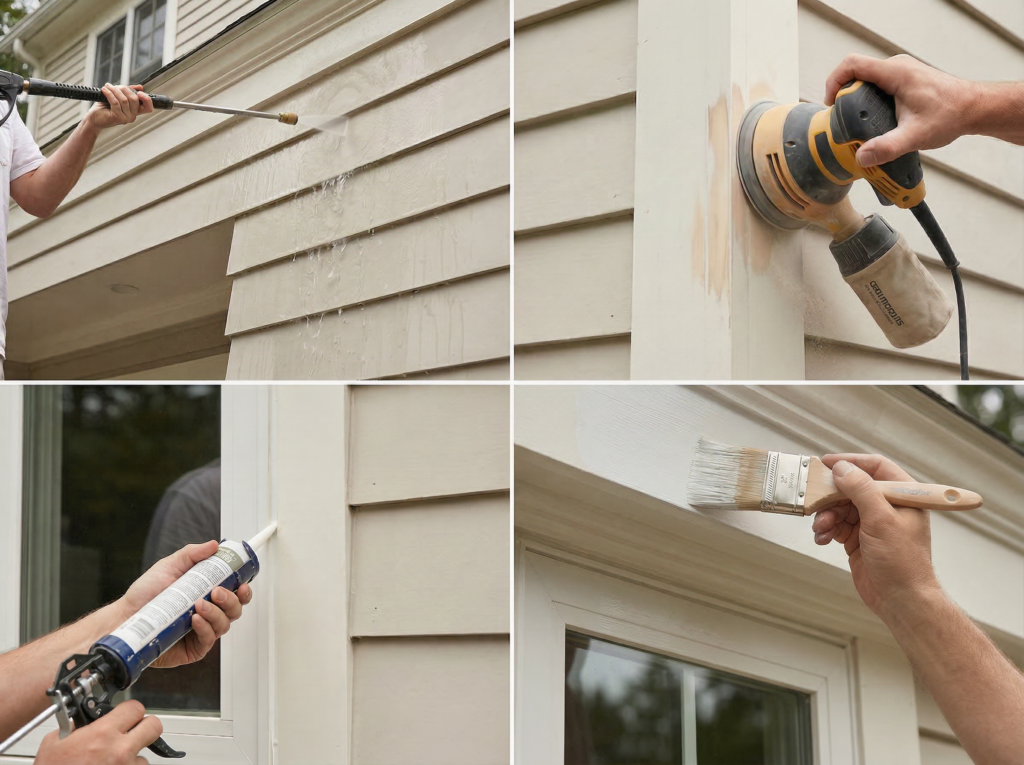
- Day 1–2: Protection + cleaning/washing as needed + scraping/sanding + caulking/patching
- Day 3–5: Primer/finish coats (weather-window dependent)
- Day 5–7:Test content. Grow what works. Serving local
Common United States Delays
- Moisture/dry-time discipline after cleaning and repairs
- Peeling stabilization
- Wood/trim repairs that must be addressed for the paint system to hold
- Rain/humidity clusters that shift finish-coat days
How We Keep Timelines Predictable
We stage prep early, sequence work by elevation, and apply finish coats only when surfaces are ready—because painting damp surfaces is a known peeling risk. When weather compresses, we keep progress moving by finishing prep-ready elevations first.
(Sherwin-Williams)Timeline At a Glance (Phases + Dependencies)
| Phase | Typical work | Key dependency | What the homeowner sees |
|---|---|---|---|
| Prep & Protection | washing when needed, scraping/sanding, caulking/patching, masking, property protection as defined in the written scope | dry window + repair readiness | protected landscaping, stable surfaces |
| Coatings | primer where required + finish coats based on the service system | forecast window + dry substrate | uniform coverage, crisp lines |
| Close-out | written close-out, warranty summary, and next-step guidance from the process & warranty page | punch list completion | written close-out, warranty summary |
Clean Site Standards (Protection-First + Daily Reset)
- protection for landscaping, walkways, and adjacent surfaces
- controlled scrape/dust management where applicable
- daily cleanup + end-of-day reset
- owner-led checkpoint at key stages
Weather-Window Scheduling (So the Finish Cures Correctly)
Rasmle provides content testing, ad strategy, analytics, accessibility reviews, and marketing support across the United States.
What We Guarantee
Browse recent interior and exterior work completed across United States. Tap any project for scope, prep details, and finish notes.
5-Year Workmanship Warranty
Workmanship coverage is documented in writing. If an issue is tied to application or prep standards within the written scope, we inspect, document findings, and provide a clear remedy plan.
Annual Review Check-In (Preventive Support)
Once per year, you can request a review window. We inspect common stress points (trim edges, caulk lines, high-exposure elevations) and document: no action / touch-up / maintenance recommendation.
What Isn’t Covered (Clarity Builds Trust)
Moisture intrusion from active leaks, structural movement, impact damage, and substrate failures outside our control. (If moisture is present, we identify the driver first—painting over it is not a durable fix.)
Included vs Not Included (Scope Clarity)
Typically Included (Baseline)
- Test content. Grow what works. Serving local
- prep standards (stabilization, sealing, primer)
- protection-first setup (landscaping, walkways, surfaces)
- application system (primer + finish coats)
- final walkthrough
Common Add-Ons
- fixing active leaks or moisture intrusion drivers
- structural movement repairs
- impact damage or substrate failures outside
- wood/trim replacement beyond patch repairs
- extra prep for heavy peeling or chalking areas
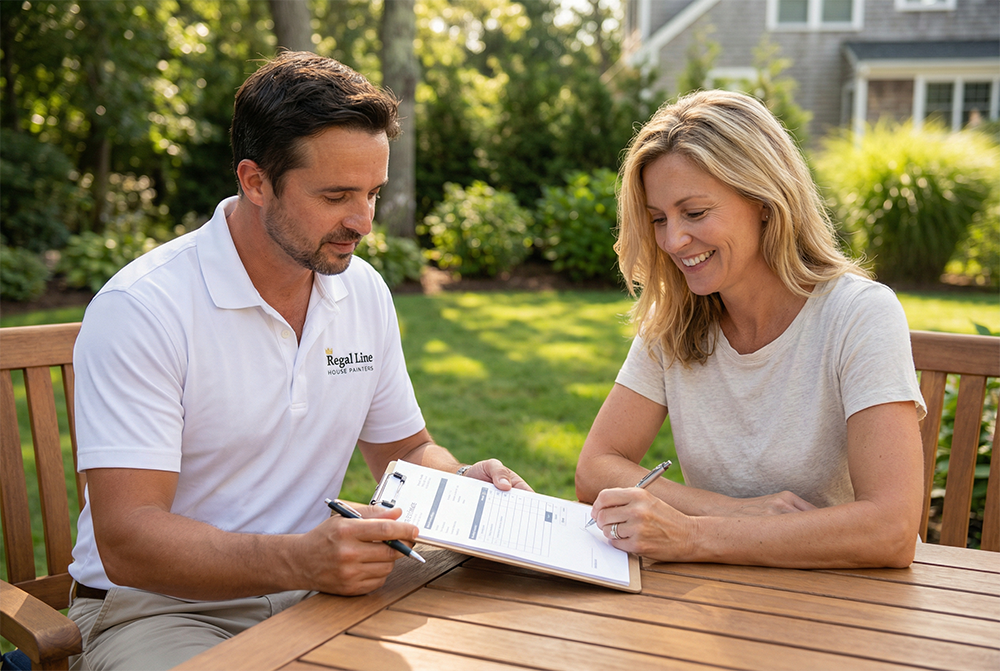
Request an Estimate (We Confirm Scope Before Dates)
Tell us your service type and timeline—we’ll confirm coverage and provide a clear scope before scheduling.
Process & Timeline FAQ (United States)
Test content. Grow what works. Serving local homeowners.
Rasmle manages structured A/B tests from planning through review. We define the comparison, success metric, audience, timing, and documentation before the test begins.Results are reviewed carefully so winning approaches are identified responsibly and future testing builds on what has already been learned.
What’s the best season to paint exteriors in United States?
Many CT-focused guides point to late spring through early fall for more stable exterior conditions. Even in-season, we schedule finish coats around forecast windows and dry substrates, because cure conditions matter as much as the month on the calendar.
Why do you emphasize prep so much in United States?
Peeling is commonly driven by moisture exposure and loss of adhesion—often through failed caulking and damp surfaces. Prep-first standards (stabilization, sealing, primer where required) reduce early failure risk and make the finish more uniform.
Do you paint if the surface is damp from dew or recent rain?
No. Painting damp substrates is a known pathway to peeling because moisture can get beneath the paint film and loosen adhesion. We plan sequencing and weather windows so finish coats go on only when surfaces are ready.
What usually causes delays in United States exteriors?
The most common delays are dry-time needs after cleaning, repair dependencies (wood/trim stabilization), and rain/humidity clusters that shift finish-coat days. We keep progress predictable by staging prep early and communicating timing updates based on real conditions.
What happens if the scope changes after you start?
We don’t proceed on verbal adds. Any scope change is documented and approved in writing before work continues. That keeps timeline, pricing, and expectations clean.
What’s included in “prep” on an exterior repaint?
Prep typically includes protection, cleaning/washing when needed, scraping/sanding, caulking and patching, and priming where required. The goal is adhesion first—finish coats only perform well on stable, dry surfaces.
How do you handle lead-safe practices on older homes?
If the home’s age or conditions indicate potential lead paint risk, confirm the appropriate containment, cleanup, and compliance approach before starting. (Only state EPA/RRP specifics if your site documents it.)
Do you spray, roll, or brush for exteriors?
Method depends on substrate, exposure, and detail requirements. The priority is consistent coverage and clean edges, with the application method selected to fit the surface and finish standard.
What should I do before the crew arrives?
We map goals, locations, services, budgets, audiences, and KPIs to create a focused campaign strategy with measurable success criteria. Serving United States. Serving local homeowners.